Study abroad
Traveling abroad with a focus on my career
path was a truly transformative experience.
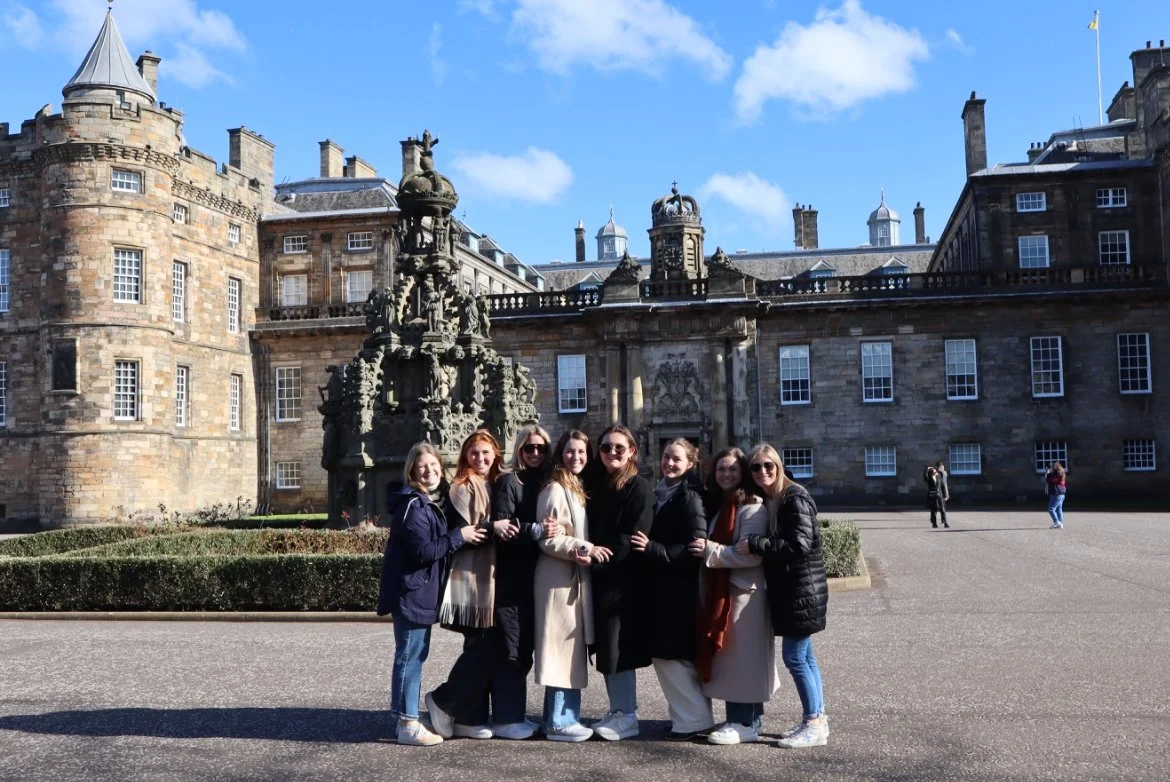
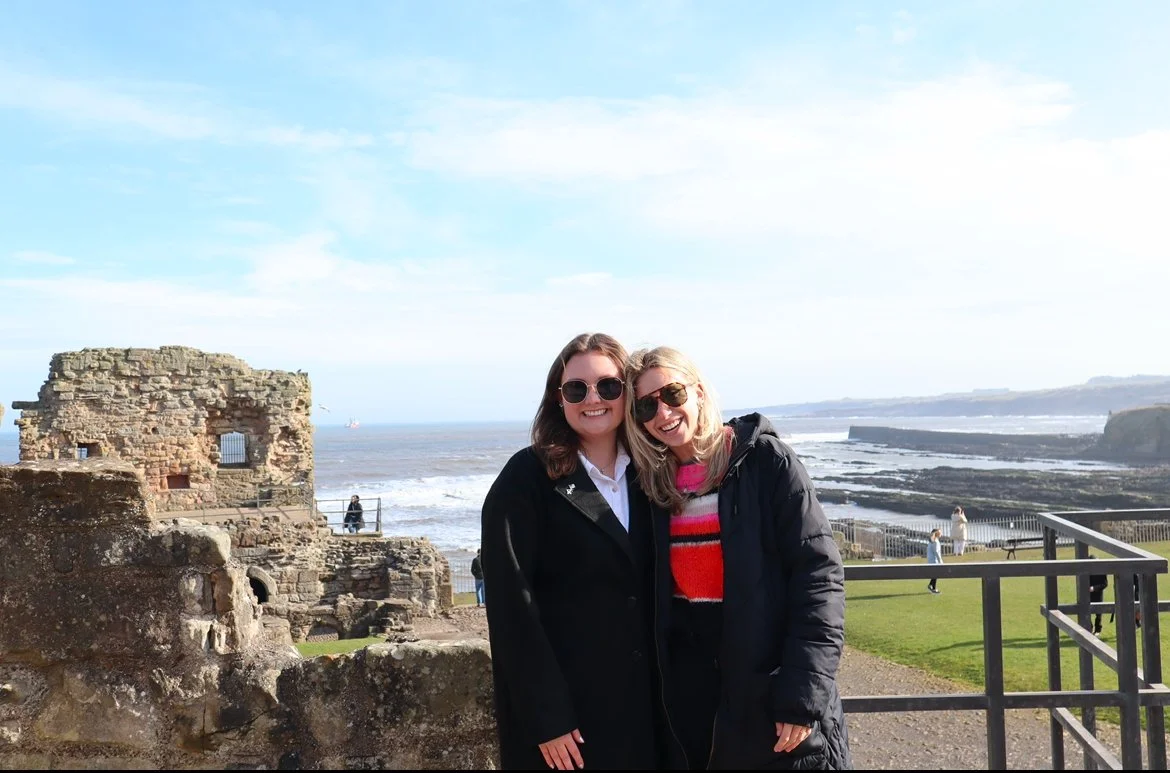
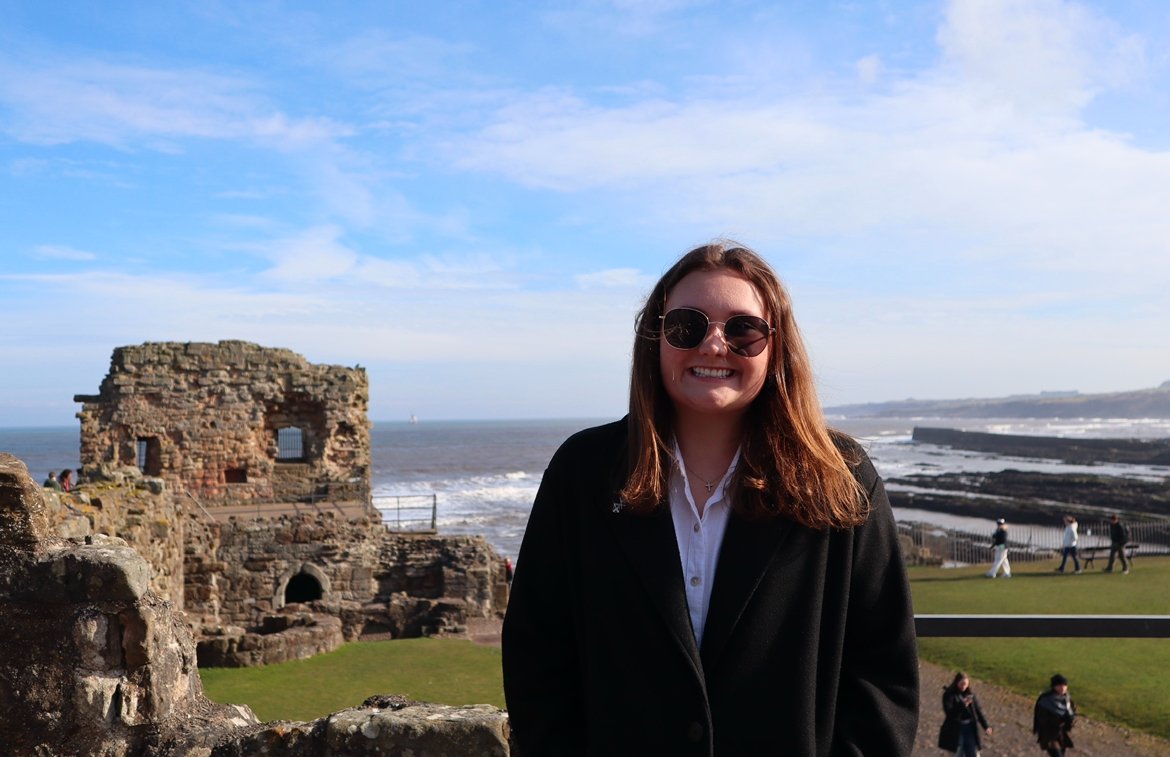
In March 2024 and March 2026, I participated in study abroad programs located in Edinburgh, Scotland, and Berlin, Germany through Auburn University's College of Human Sciences.
This interdisciplinary program combined Interior Design and Philanthropy + Non-Profit Studies, offering a well-rounded and impactful learning opportunity.
trip insights &
cultural immersion
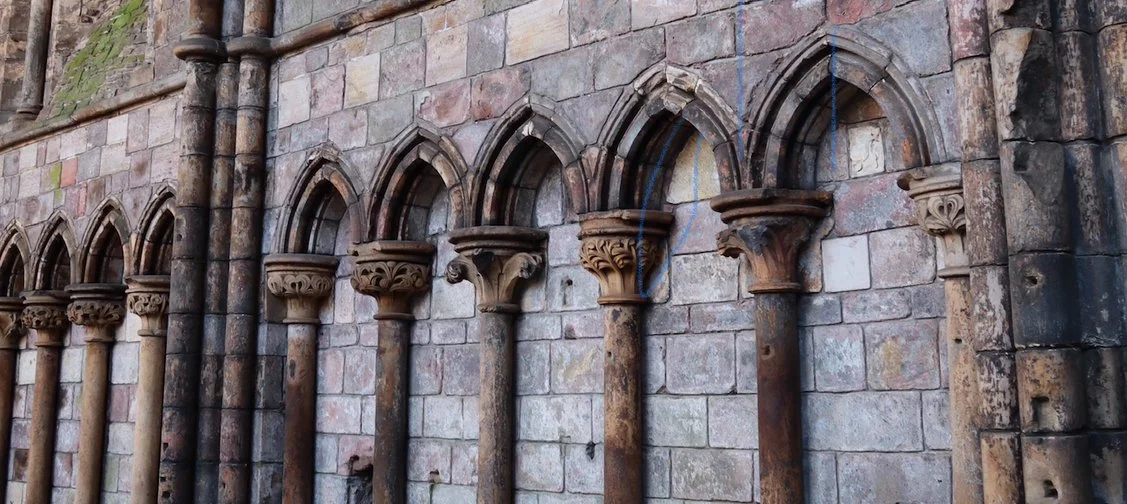
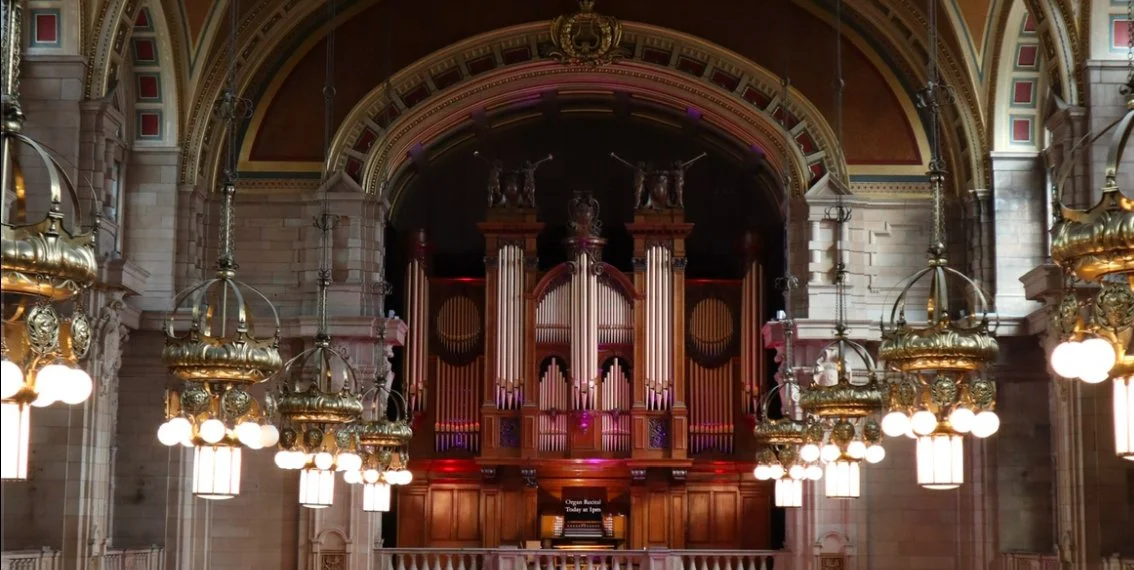
One of my primary goals for both trips was to bridge my academic studies with real-world experiences, and the program exceeded my expectations. My History of Interior Design course laid the foundation
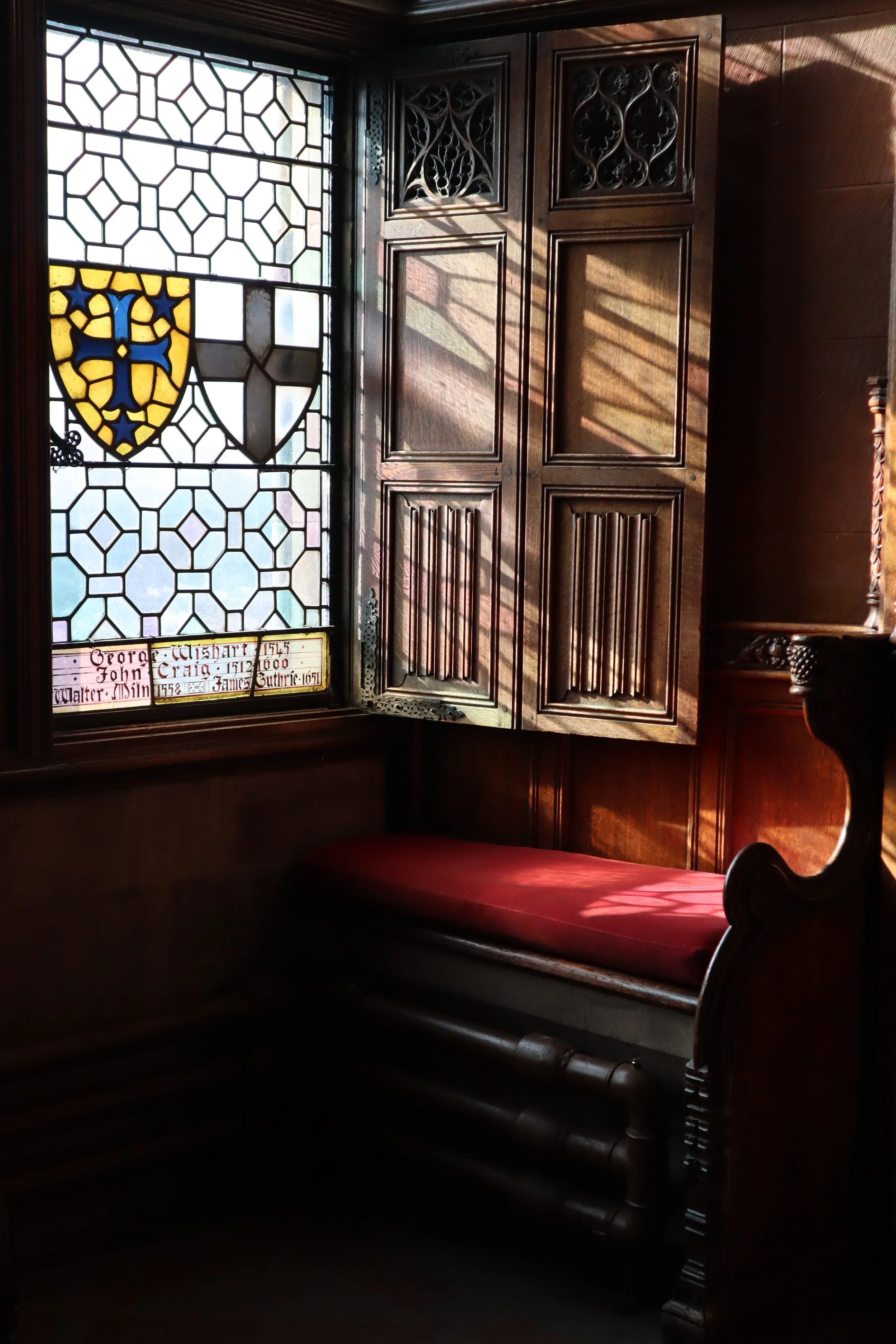
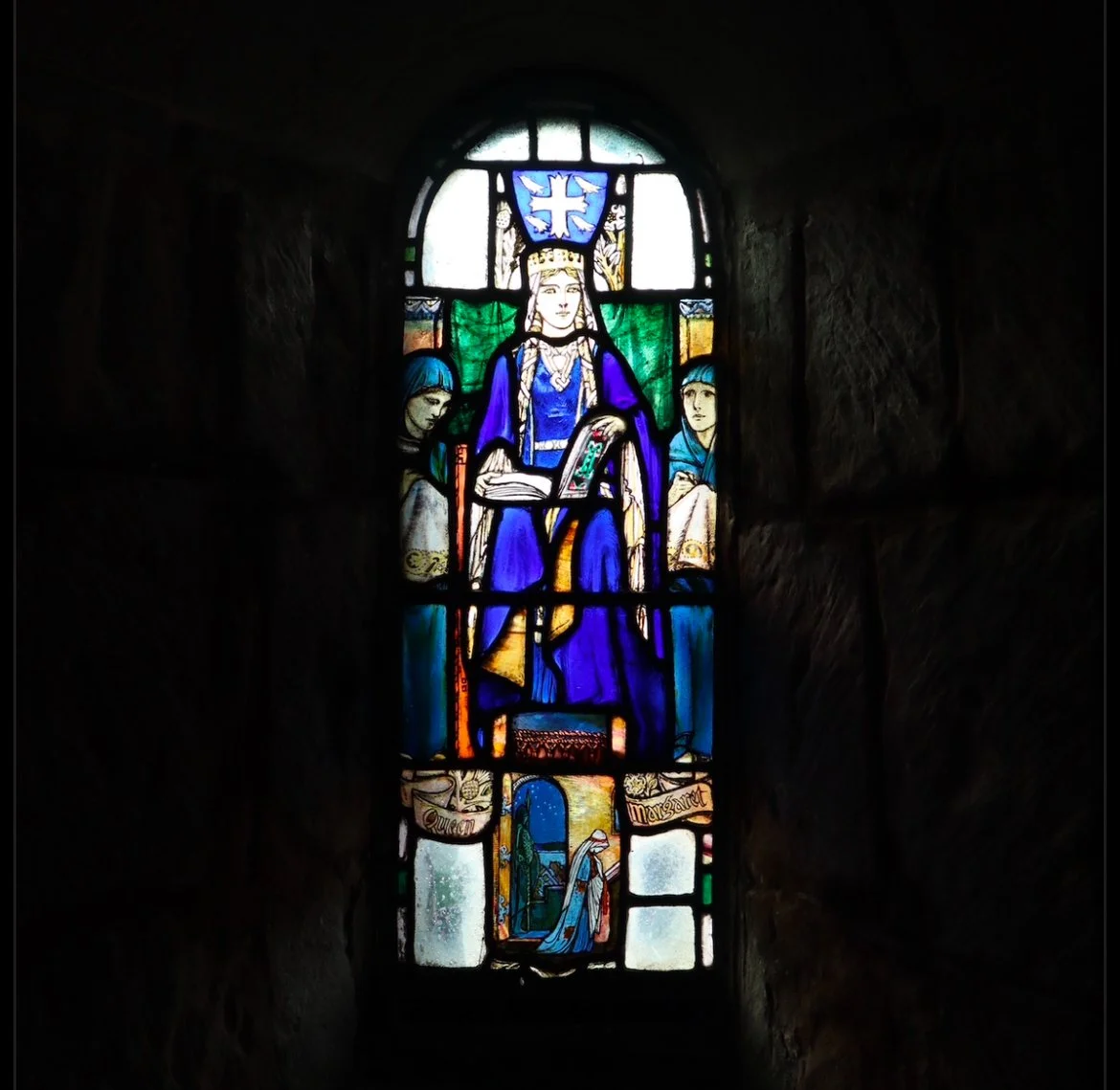
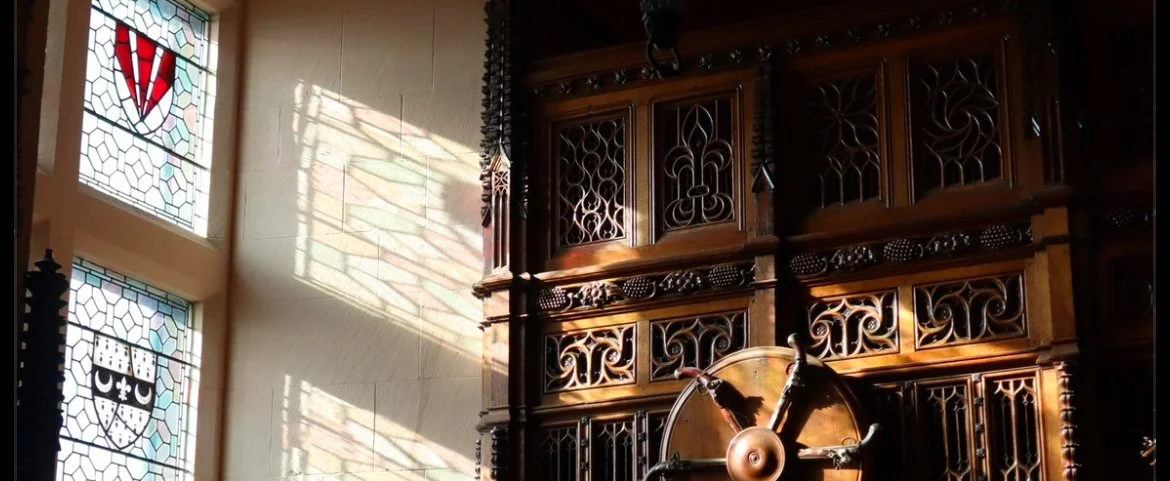
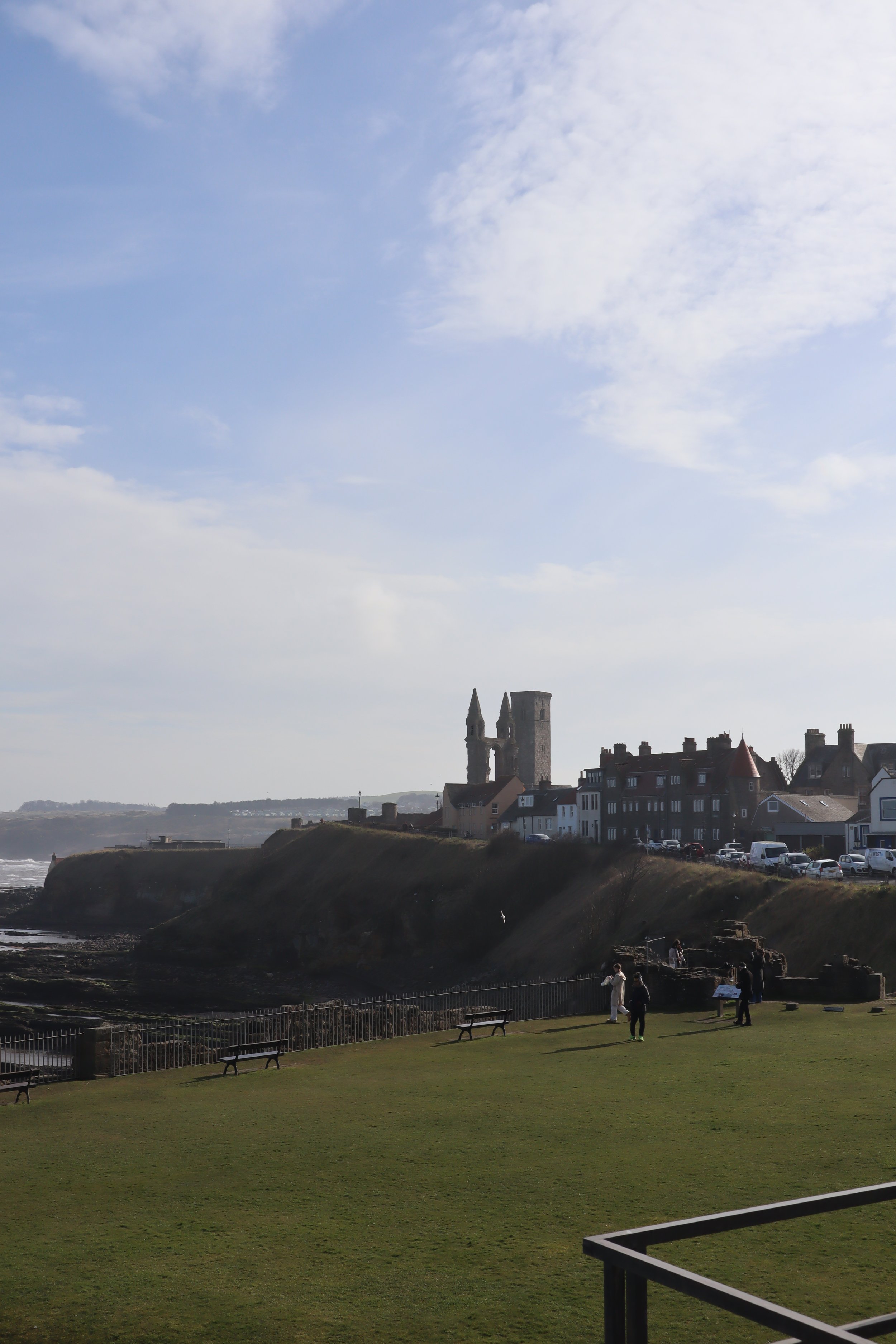
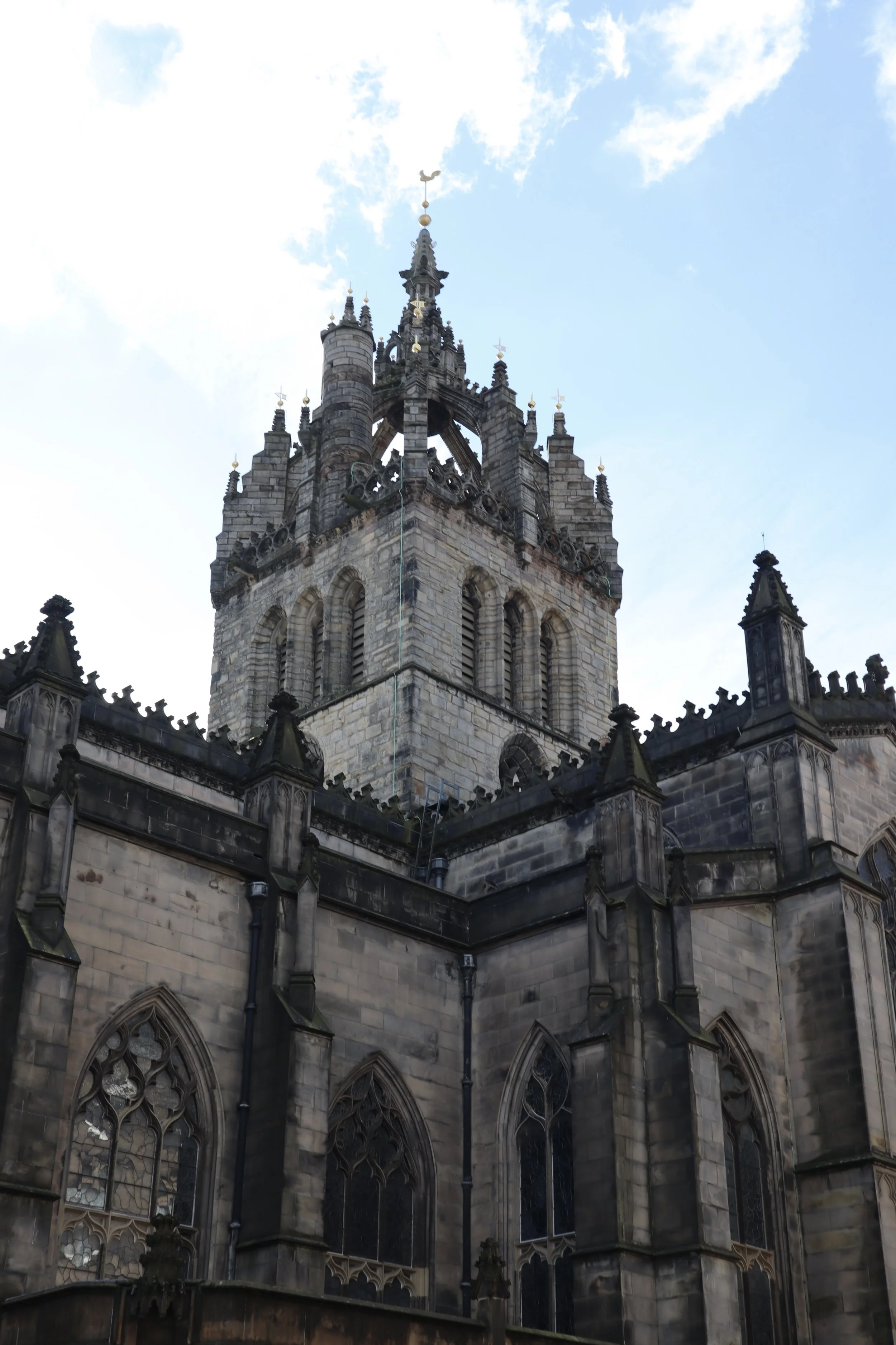
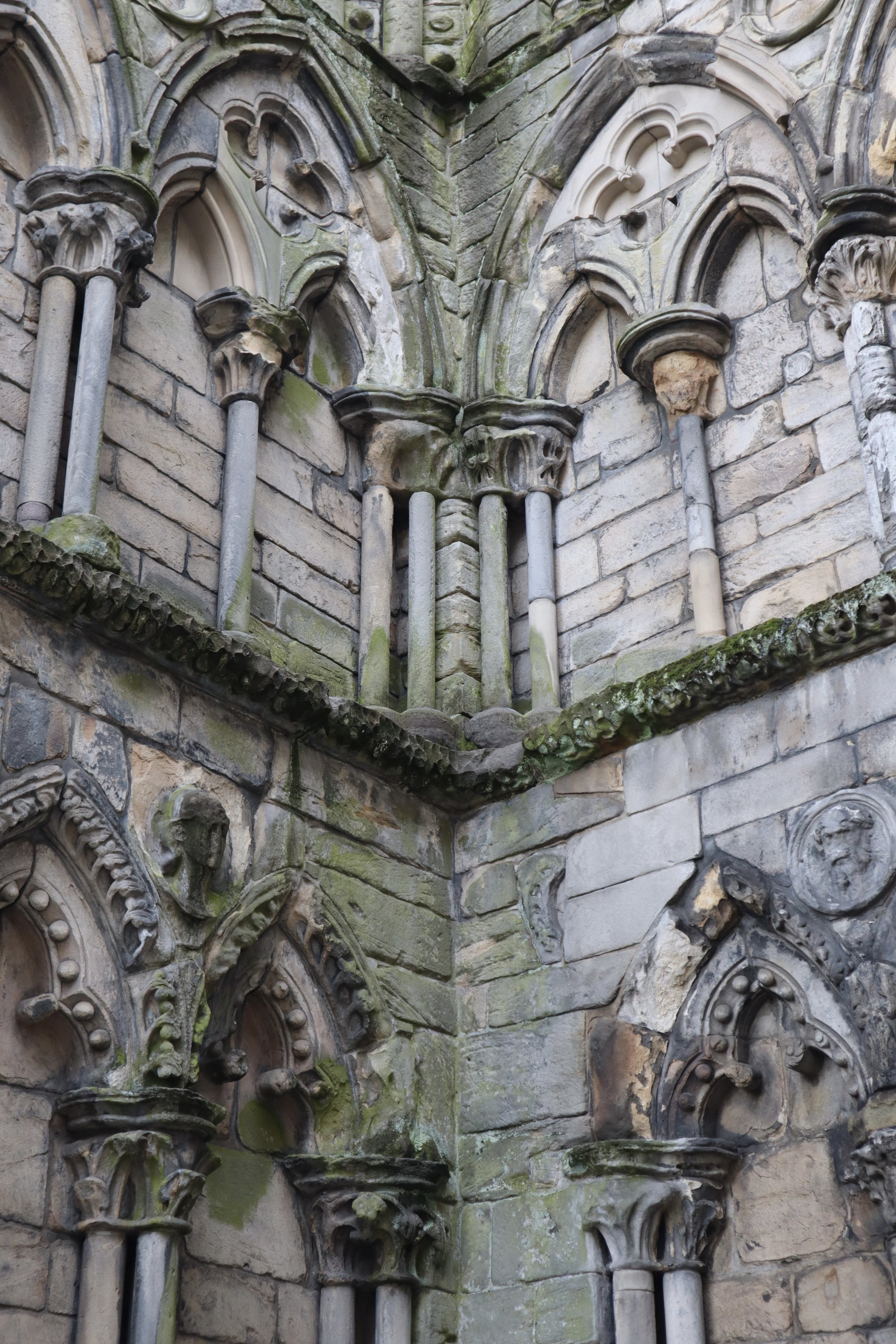
for understanding Edinburgh's historic architecture, particularly its cathedrals and castles. Visiting sites like St. Giles Cathedral and Edinburgh Castle brought classroom concepts to life, deepening my appreciation for Gothic design and its enduring influence on modern styles.
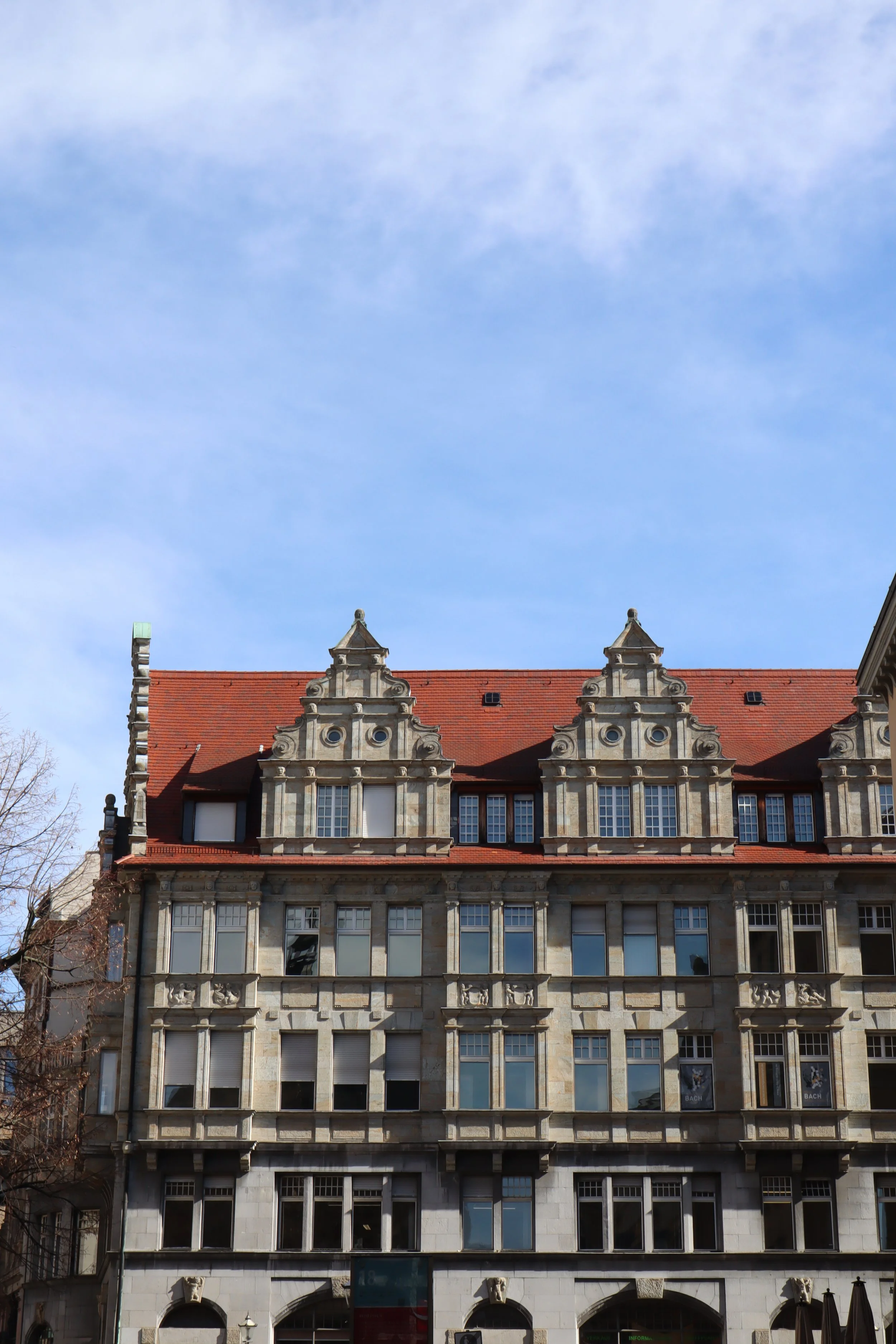
As for Berlin, the architecture was vastly different because of the city’s demolition during World War II. The city has been rebuilt, reflecting the modern, international influence that grasped Berlin in the years following the war.
Experiencing these architectural landmarks first-hand reinforced my passion for interior design and inspired me as I envision my future career.

personal impact
& takeaways
These trips surpassed my expectations in building meaningful relationships. Despite knowing no one initially, intentional conversations and shared experiences led to lasting friendships. The program fostered both professional and personal growth, making it a truly impactful experience.
This experience deepened my excitement for a career in design, broadened my worldview, and equipped me with skills and perspectives that I will carry forward in my personal and professional life.
-
Connected classroom knowledge with real-world applications through visits to historic sites.
-
Developed a global perspective by experiencing and reflecting on cultural nuances.
-
Gained insight into philanthropy and nonprofit work, enhancing interdisciplinary awareness.
-
Built lasting connections and strengthened adaptability in unfamiliar settings.
Berlin Specifics
This experience meant much more to me than simply traveling to another country. It gave me the opportunity to see how design, history, and culture all work together in ways that feel very different from what I am used to. From the moment we stepped into the Copenhagen airport for a layover, I began noticing how intentional design decisions shape the way people experience a space. Throughout the trip, I became much more aware of how design can influence comfort, movement, emotion, and even the way people interact with each other. Study abroad allowed me to slow down and really observe the world around me, which is something I will carry with me as a designer.
-
Before this trip, one of my biggest goals was to experience design outside of the United States and understand how culture influences the way spaces are created and used. As an Interior Design student, I wanted to pay close attention to how everyday spaces function in other countries, not just large landmarks. I also wanted to learn how design connects to people in a deeper way, especially through the collaboration with students in philanthropy and nonprofit studies. Going into the trip, I hoped it would help me grow both creatively and personally, and push me to see design in a more meaningful way.
-
One of the first moments that really stood out to me was during our layover in the Copenhagen airport. Instead of feeling overwhelming or chaotic like many airports in the U.S., the space felt minimal, bright, and very intentional. The black industrial ceilings, circular lighting elements, and floor-to-ceiling windows created an atmosphere that felt calm and modern.
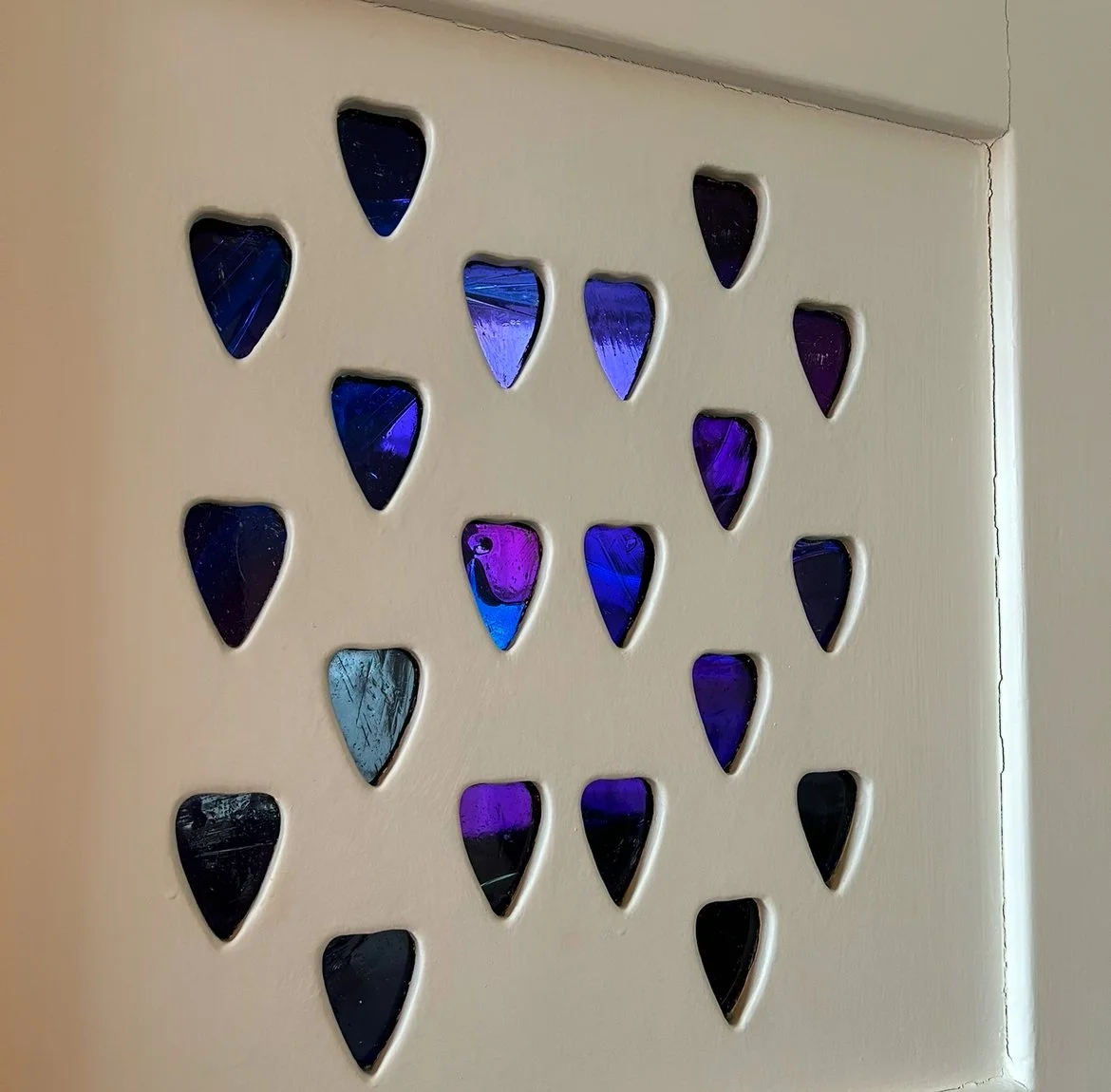
What stood out the most was the way nature was subtly incorporated into the design. Structural columns were shaped almost like trees, and the stained-glass style panels added color and warmth to an otherwise minimal space. It made me realize how thoughtful design can completely change the way people feel in a space that is usually stressful. That moment really shifted how I began observing design for the rest of the trip.
-
One of the most impactful parts of the trip was visiting the Impact Hub in Berlin. It was a collaborative workspace that supports small businesses focused on social and environmental change. Seeing the architect explain the sustainability of the building and then speaking directly with one of the nonprofit organizations inside showed me how closely design and philanthropy actually work together.
Before this trip, I didn’t fully realize how much design can support social causes. The experience showed me that design is not just about aesthetics — it can also create spaces that support collaboration, sustainability, and meaningful change. That visit helped me understand how my future career in design could be connected to something bigger than just creating visually appealing spaces.
-
Visiting the Berlin Wall Memorial was one of the most powerful experiences of the trip. It was something I had learned about in school for years, but seeing it in person made it feel much more real and emotional. The way the memorial was designed allowed visitors to truly understand the impact the wall had on people’s lives, not just historically but personally.
What made this experience even more meaningful was hearing from representatives of the Berlin Wall Foundation and learning about the philanthropic side of preserving the site. It showed me how design and history can work together to educate people and create meaningful emotional experiences. It also made me realize how powerful design can be when it is used to tell a story.
-
This trip helped me understand my major in a much deeper way. Instead of only thinking about design in a classroom setting, I was able to see how it works in real life and in different cultures. From the modern minimalism in the Copenhagen airport to the historical architecture in Berlin Cathedral and the functional design ideas behind the Bauhaus movement, I saw how design constantly evolves based on cultural needs.
Visiting the Bauhaus Museum in Dessau was especially meaningful because it reinforced the idea that design should be both functional and accessible. That concept made me think differently about my own design process and reminded me that good design is not just about appearance — it should also improve the way people live and experience spaces.
-
This trip made me much more aware of how different cultures approach everyday life. From public transportation to collaborative workspaces to historical preservation, I saw many things that are done differently in Germany compared to the United States. It made me realize that there is not just one “right” way to design spaces or structure communities.
Being able to experience another culture firsthand helped me become more open-minded and more curious about the world. It also made me think more critically about my own surroundings and the way design affects people on a daily basis. This experience definitely helped me grow not only as a student but also as a global citizen.
-
Absolutely. This trip was one of the most meaningful experiences of my college career so far. It allowed me to grow academically, creatively, and personally in ways that would not have been possible in a classroom. I learned more about design, culture, collaboration, and myself than I ever expected. If I had the opportunity to study abroad again, I would do it without hesitation.
-
One of the biggest surprises for me was how collaborative the work culture felt in Berlin. When we visited Berlin Design, I learned that many businesses work closely together and even share resources. That made me start questioning why this type of collaboration is not as common in the United States.
It really made me reflect on how different cultures approach work, creativity, and community. Instead of competing constantly, many of the organizations we visited focused on supporting each other. That completely changed the way I think about what a successful work environment can look like, and it made me rethink the way I want to approach my own future career.